Let's finish up this 3D set, shall we? Yesterday, I looked at the careers of the first 10 players in the 2010 Topps 2020 set, so here are the other cards found in the set.
#11 Joe Mauer. Mauer was already in his seventh season with the Twins in 2010, but he was fresh off an AL MVP season when this set came out. He would play for another eight years, all with the Twins, compiling a .306 career batting average with 2123 hits; the Twins retired his jersey number after his 2018 retirement.
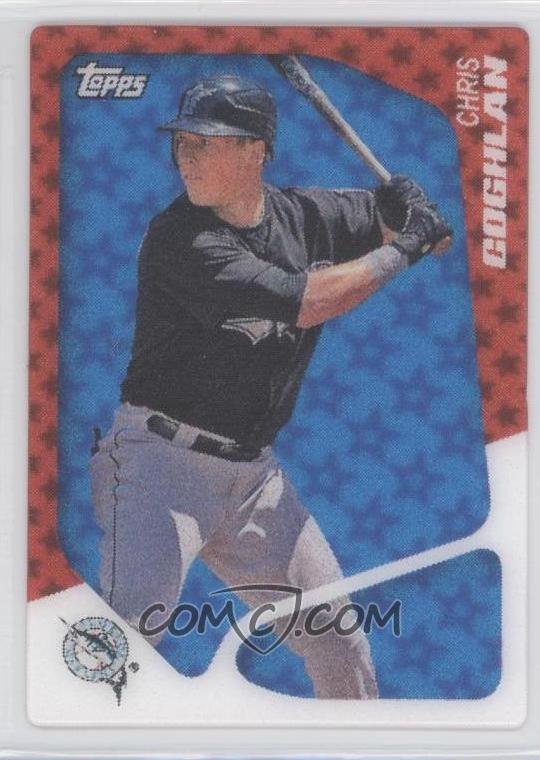
#12 Chris Coghlan. The 2009 NL Rookie of the Year played for a total of nine seasons, batting .258 through 2017; he had a minor league contract with the Cubs in 2018, but hasn't played in the Majors since '17.
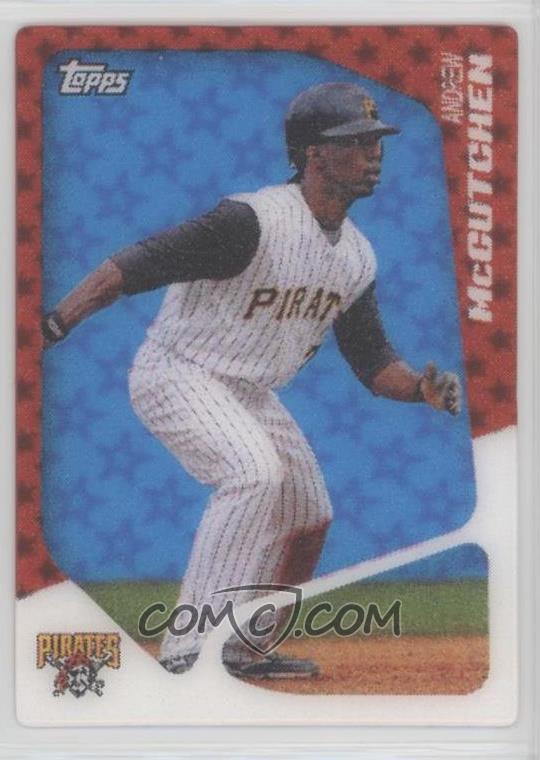
#13 Andrew McCutchen. We have our first player who wasn't alread a superstar with McCutchen. His first All-Star season wouldn't be until 2011, and he won the NL MVP award in 2013. That's not to say his 2009 and 2010 seasons were bad - he just wasn't really recognized for his accomplishments. He played for the Pirates through 2017, and spent 2018 in SF and NY before settling with the Phillies in 2019. He had an injury in June which sidelined him for the rest of the season.
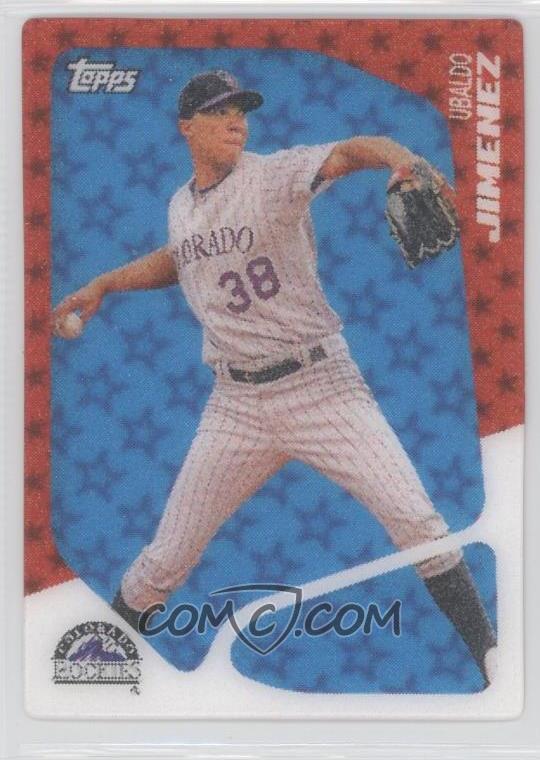
#14 Ubaldo Jimenez. 2010 was Jimenez's career year, being named to the All-Star team after pitching a no-hitter in April (April 17th, to be exact, exactly 10 years before I'm writing this post!). He last played an MLB game in 2017, with the Orioles, though he signed a minor-league contract with the Rockies this February.
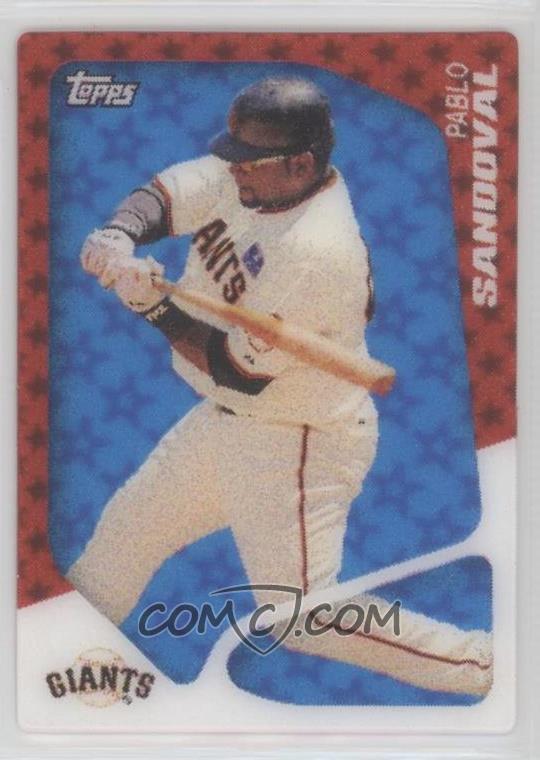
#15 Pablo Sandoval. There are a lot of Giants in this set, aren't there? Panda made his debut in 2008 with the Giants, and spent some time with the Red Sox before returning to SF. As is the case with pretty much every player in this set, Panda's best years are behind him; he was an All-Star in 2011 and 2012, but hasn't really been making headlines since then outside of the 2014 postseason. In fact, in the past five years, he has been lackluster on the field and at the plate, though he does have a shot at making the Giants 2020 roster. Through 2019, he has a respectable .280 batting average.
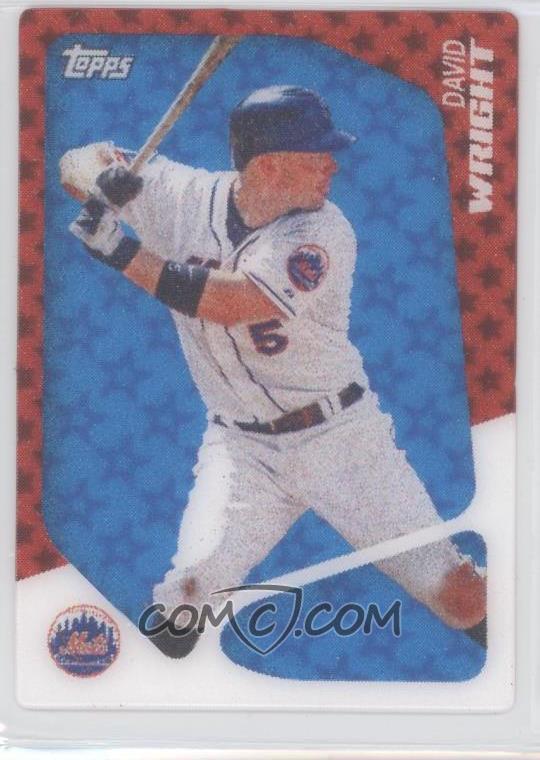
#16 David Wright. Wright made his MLB debut way back in 2004, playing his entire career with the Mets before hanging up the cleats at the end of the 2018 season. He batted .294 over his career, winning two Gold Gloves and two Silver Sluggers and being a seven-time All-Star.
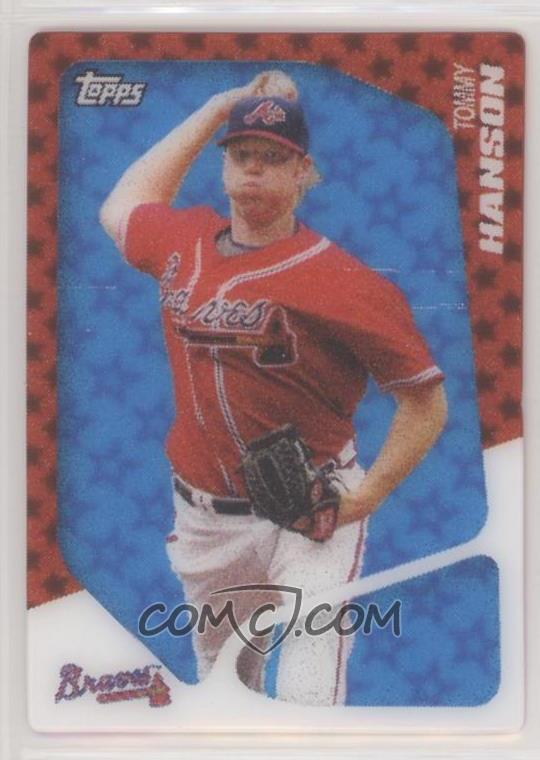
#17 Tommy Hanson. He debuted with the Braves in 2009 to replace Tom Glavine and had a decent rookie season, finishing third in ROY voting. His 2010 season was decent, and had a great start in 2011. He was traded to the Angels in 2013 and had a really rough year on and off the field, and spent 2014 and 2015 in the minor leagues. Hanson died of a cocaine overdose in November of 2015.
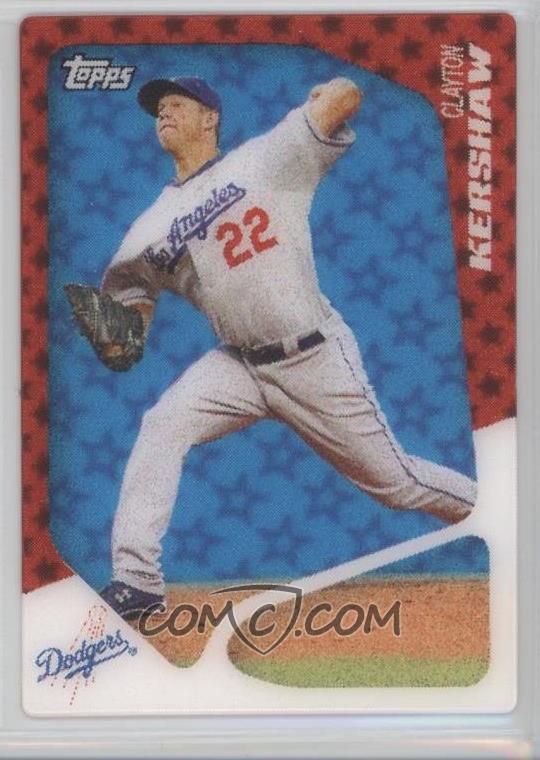
#18 Clayton Kershaw. Since 2008, Kershaw has been playing for the Dodgers. He won the pitching Triple Crown and NL Cy Young Award in 2011, one of three Cy Youngs he has won to date. He has a career 169-74 win-loss record and 2.44 ERA with 2464 strikeouts.
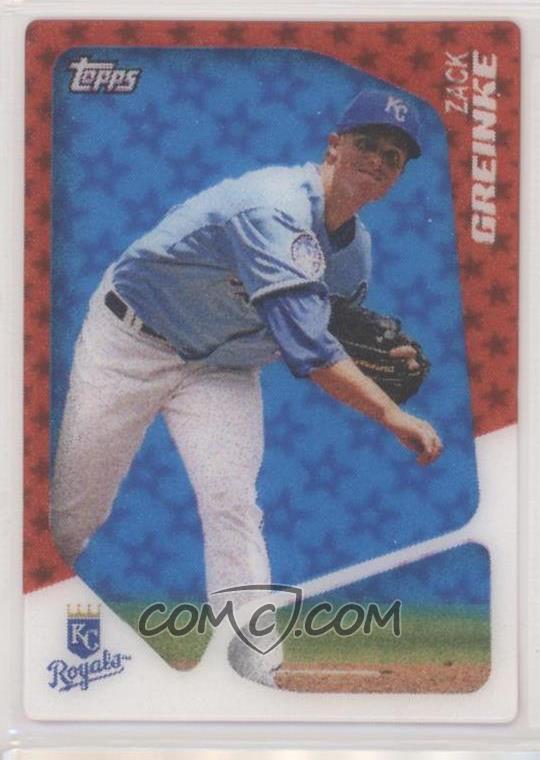
#19 Zack Greinke. Debuting in 2004, Greinke has had a successful career through 2019; he has been a six-time All-Star and six-time Gold Glove winner; 2019 was a good year for him with Houston and Arizona as he went 18-5 with a 2.93 ERA, batting .271 with the Diamondbacks.
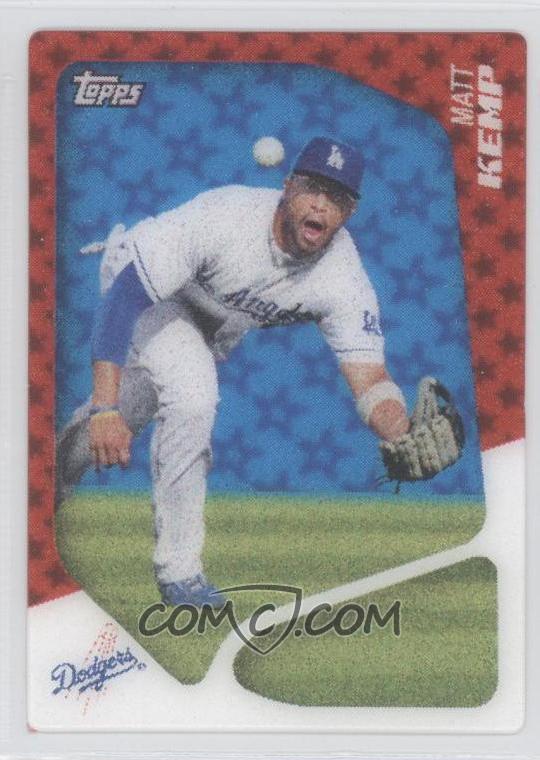
#20 Matt Kemp. The last player in the set is another Dodger. Matt Kemp played for the Dodgers from 2006, having a career year in 2011. Kemp played well in a second stint with the Dodgers in 2018, but 2019 was a low point in his career; in December he signed a minor league contract with the Marlins.
I'd say Topps did a pretty good job overall; 12 of the 20 players were still active last year, with most of the remaining players having retired in the last couple of seasons. Kershaw is by far the best player today, and out of all of the players in this set. If you had asked me in 2010, Posey certainly had the most promise, although he is still a good player. What do you think? Did any of these players' outcomes surprise you?
Chaos and Kanji is the blog where I write about my adventures through Japan!
Showing posts with label This Card Is Cool. Show all posts
Sunday, April 19, 2020
Saturday, April 18, 2020
2010 Topps 2020 in 2020: First 10 of 20
A decade ago, Topps inserted a set of 3D cards into its series 2 packs (1:6 hobby and retail, 1:1 jumbo) called 2020. It attempted to predict which players would be stars ten years later. 2020 is here, and while the season has yet to begin, why not look now at whether the 20 players found in the set have turned out as expected.
All images are from COMC.com.
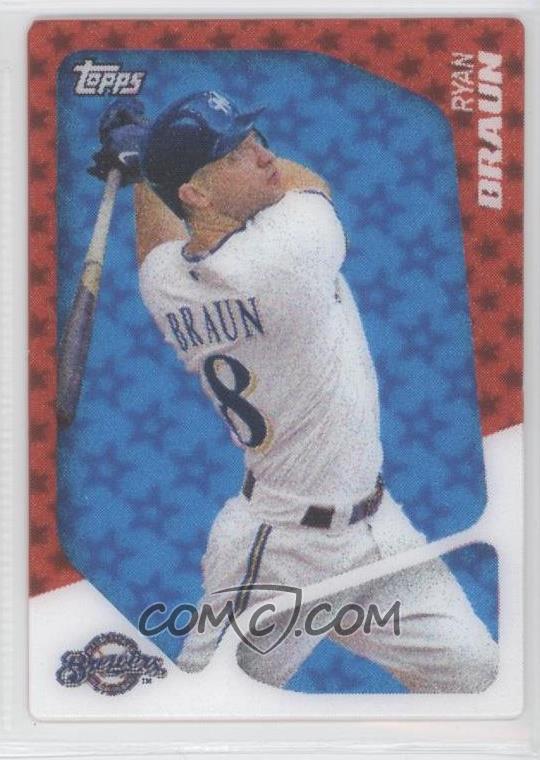
#1 Ryan Braun. In the years leading up to 2010, Braun was one of the best in the game. However, after some PED scandals, he has not been as successful. He is still playing, however, with a .298 career batting average, 1933 hits, and 344 home runs.
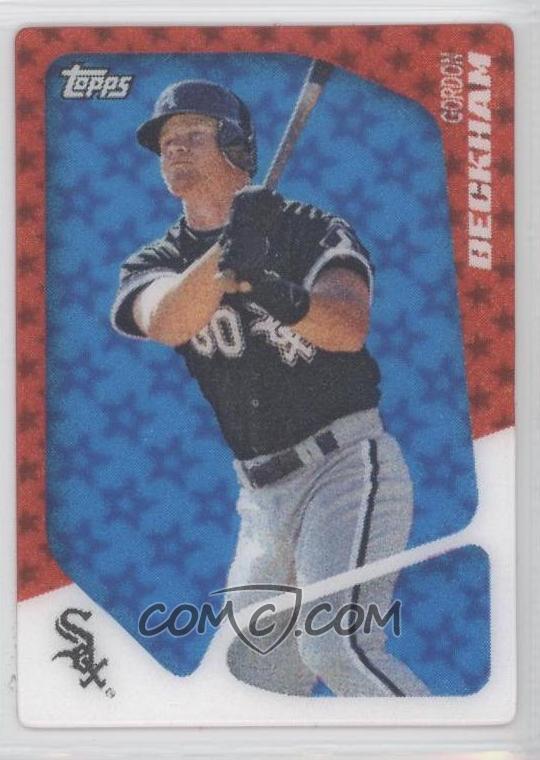
#2 Gordon Beckham. Including the 2009 AL Rookie of the Year certainly seemed like a good idea. Despite getting off to a slow start, Beckham finished the year with a .270 average. But that would be the peak of his career; he hit .267 in 2013, but overall he has a .237 batting average. In fact, since 2013, he hasn't even hit .230 in a season. He signed with the Padres earlier this year, but was released last month, and might not play in the majors again.
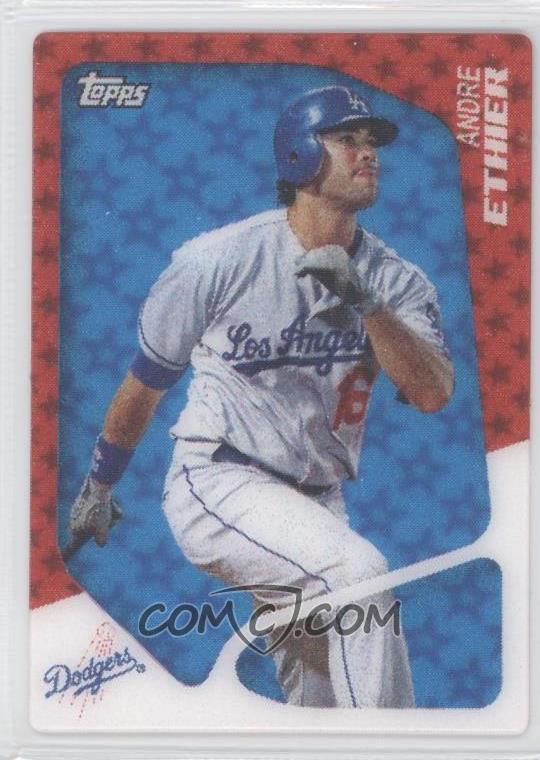
#3 Andre Ethier. We've reached our first player to already be retired. Ethier played through 2017 for the Dodgers, hitting .285 for his career. He started the 2010 season with a bang, but finished the year with a .292 average. Injuries later in his career led to an earlier retirement than he had hoped, I'm sure.
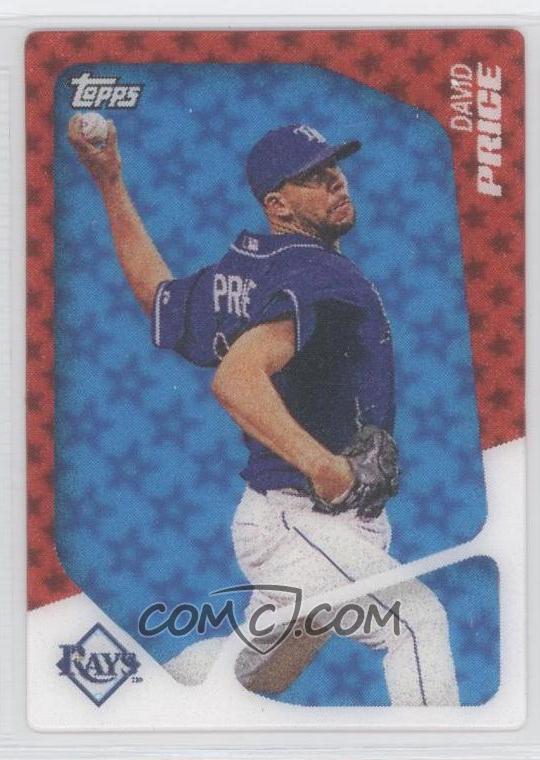
#4 David Price. Price was the AL Comeback Player of the Year in 2018 and a member of the World Series champion Red Sox. He was part of the trade that also saw Mookie Betts come to the Dodgers in February. Through 2019, Price has a 150-80 record with a respectable 3.31 ERA.
#5 Justin Upton. Now with the Angels, B.J.'s brother has hit .266, with 298 home runs since his 2007 debut. He was most recently an All-Star and Silver Slugger in 2017, but in 2019 he hit only .215 in only 63 games. His contract is through 2022.
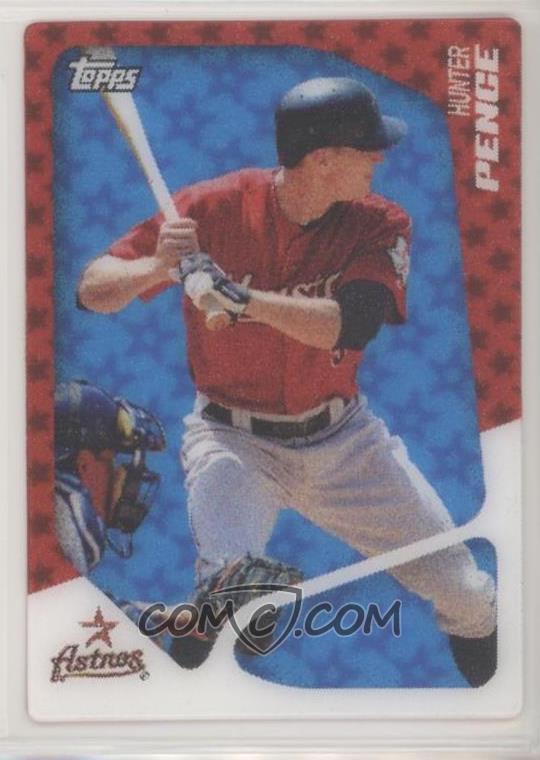
#6 Hunter Pence. While he spent the 2019 season with the Rangers, Pence returned to the Giants for the 2020 season. He was an All-Star last year, batting .297 in 83 games; he has a .280 career average through 2019.
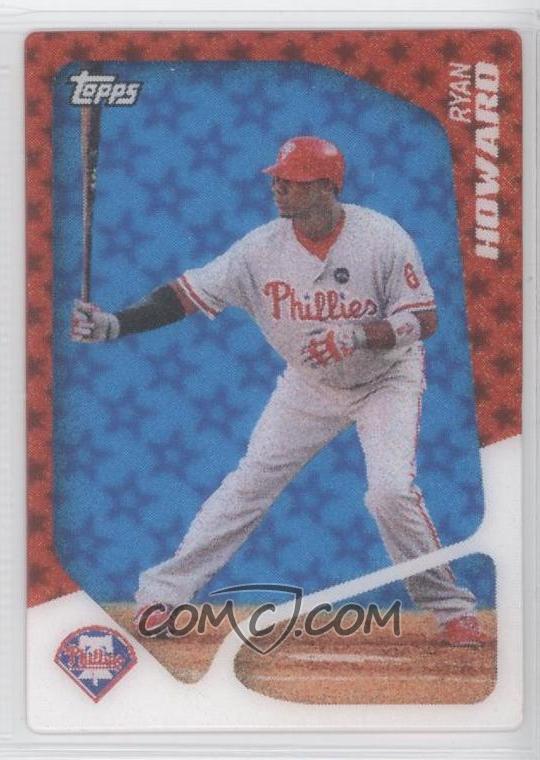
#7 Ryan Howard. The Big Piece last played an MLB game in 2016. 2010 would be the last year he would win any notable recognition, being a part of the All-Star team that year. He did set a couple more speed records (fastest to 1000 RBI in 2014) but injuries and lack of production meant less and less playing time. He attempted to come back with the Braves and later the Rockies in 2017, but finally announced his retirement at the end of the 2018 season.
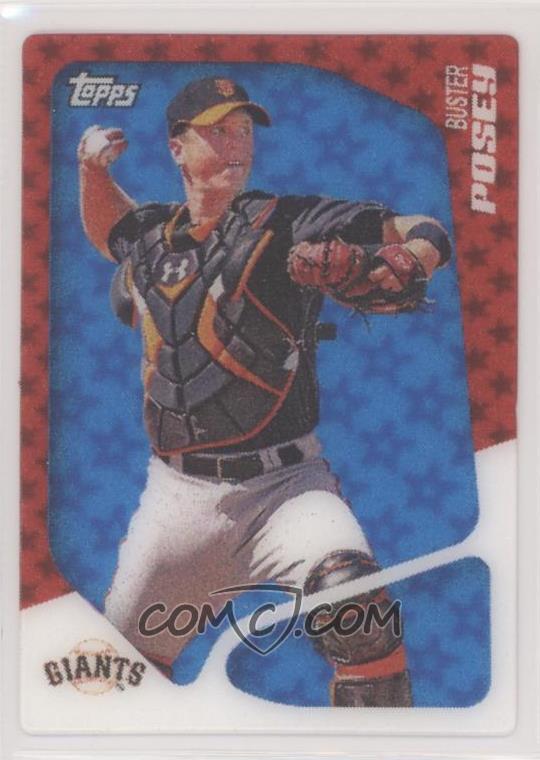
#8 Buster Posey. One of the youngest players in the set, Posey had his debut in late 2009 but won the 2010 NL Rookie of the Year award. He had a decent season in 2019, batting .257 in 405 at bats after hip surgery at the end of 2018. His career batting average is currently .302.
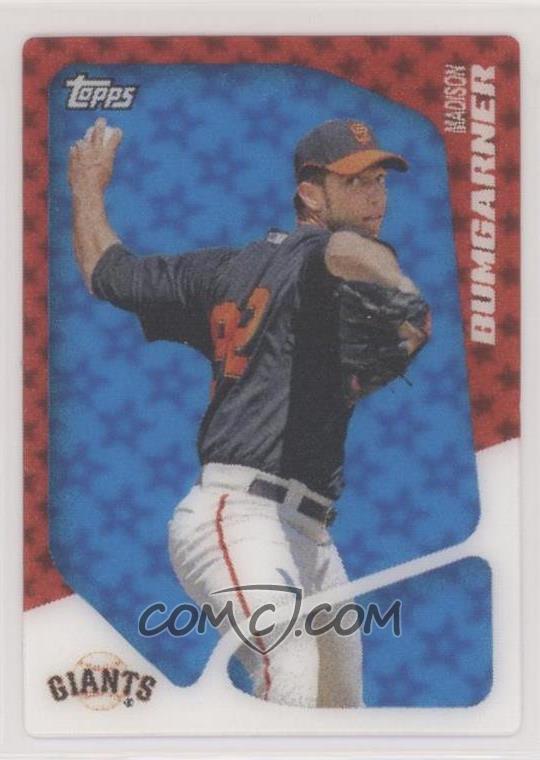
#9 Madison Bumgarner. Bumgarner had his debut around the same time as Posey, and was a member of the Giants through the 2019 season, with a 119-92 record and 3.13 ERA. He was also the NLCS and World Series MVP in 2014, and has a career 0.25 ERA in World Series play. He signed with the Diamondbacks for 2020 after what could be called an average 2019 season.
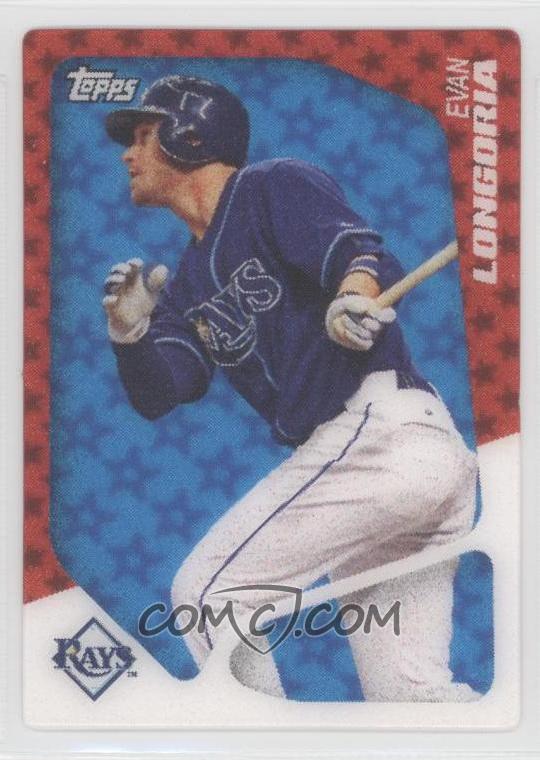
#10 Evan Longoria. In 2010, Longoria was with the Rays, but from 2018 he has played for the Giants. 2010 would be his last All-Star year, though in 2017 he won his third Gold Glove and hit for the cycle for the first time in his career. However, from 2017 through 2019 he has been lackluster at the plate; he hit .254 in 2019 with 20 home runs. His career batting average sits at .267 with 297 career home runs.
This post is another two-parter; I'll finish up the set tomorrow with the last ten cards!
Until then...
All images are from COMC.com.
#1 Ryan Braun. In the years leading up to 2010, Braun was one of the best in the game. However, after some PED scandals, he has not been as successful. He is still playing, however, with a .298 career batting average, 1933 hits, and 344 home runs.
#2 Gordon Beckham. Including the 2009 AL Rookie of the Year certainly seemed like a good idea. Despite getting off to a slow start, Beckham finished the year with a .270 average. But that would be the peak of his career; he hit .267 in 2013, but overall he has a .237 batting average. In fact, since 2013, he hasn't even hit .230 in a season. He signed with the Padres earlier this year, but was released last month, and might not play in the majors again.
#3 Andre Ethier. We've reached our first player to already be retired. Ethier played through 2017 for the Dodgers, hitting .285 for his career. He started the 2010 season with a bang, but finished the year with a .292 average. Injuries later in his career led to an earlier retirement than he had hoped, I'm sure.
#4 David Price. Price was the AL Comeback Player of the Year in 2018 and a member of the World Series champion Red Sox. He was part of the trade that also saw Mookie Betts come to the Dodgers in February. Through 2019, Price has a 150-80 record with a respectable 3.31 ERA.
#5 Justin Upton. Now with the Angels, B.J.'s brother has hit .266, with 298 home runs since his 2007 debut. He was most recently an All-Star and Silver Slugger in 2017, but in 2019 he hit only .215 in only 63 games. His contract is through 2022.
#6 Hunter Pence. While he spent the 2019 season with the Rangers, Pence returned to the Giants for the 2020 season. He was an All-Star last year, batting .297 in 83 games; he has a .280 career average through 2019.
#7 Ryan Howard. The Big Piece last played an MLB game in 2016. 2010 would be the last year he would win any notable recognition, being a part of the All-Star team that year. He did set a couple more speed records (fastest to 1000 RBI in 2014) but injuries and lack of production meant less and less playing time. He attempted to come back with the Braves and later the Rockies in 2017, but finally announced his retirement at the end of the 2018 season.
#8 Buster Posey. One of the youngest players in the set, Posey had his debut in late 2009 but won the 2010 NL Rookie of the Year award. He had a decent season in 2019, batting .257 in 405 at bats after hip surgery at the end of 2018. His career batting average is currently .302.
#9 Madison Bumgarner. Bumgarner had his debut around the same time as Posey, and was a member of the Giants through the 2019 season, with a 119-92 record and 3.13 ERA. He was also the NLCS and World Series MVP in 2014, and has a career 0.25 ERA in World Series play. He signed with the Diamondbacks for 2020 after what could be called an average 2019 season.
#10 Evan Longoria. In 2010, Longoria was with the Rays, but from 2018 he has played for the Giants. 2010 would be his last All-Star year, though in 2017 he won his third Gold Glove and hit for the cycle for the first time in his career. However, from 2017 through 2019 he has been lackluster at the plate; he hit .254 in 2019 with 20 home runs. His career batting average sits at .267 with 297 career home runs.
This post is another two-parter; I'll finish up the set tomorrow with the last ten cards!
Until then...
Monday, December 23, 2019
These Sets Are Cool: These Cards Are Actually Worth Money!
Back when Vlad Jr. was in diapers, I was getting reacquainted with relic cards. One thing I've wanted to do, and will do eventually, is to have a relic card for every type of thing ever used. That's a post for another day.
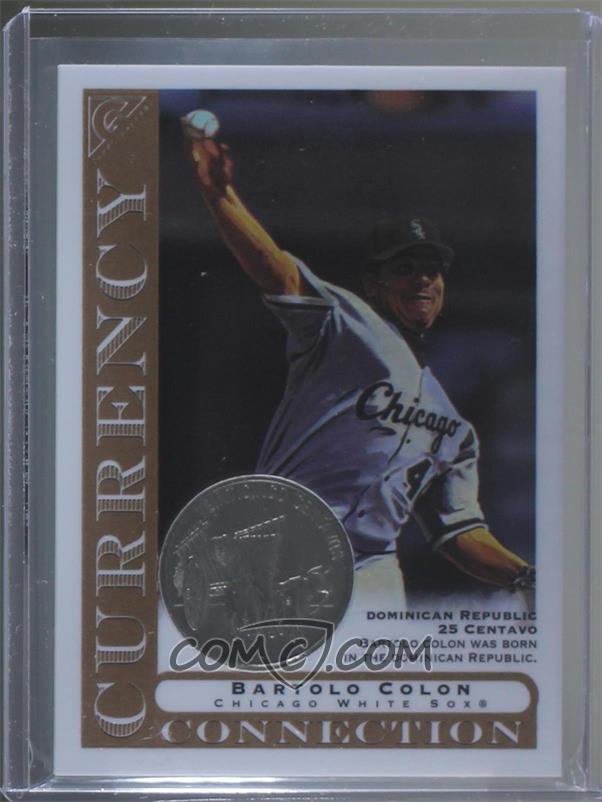
One relic set I came across while thumbing through my new 2004 Beckett Almanac (um, back in 2004) was the Currency Collection coin relics set from 2003 Topps Gallery. Each of the 25 cards has a coin from the player's home country, including Panama, Curacao, Venezuela, and Japan.
That was the first set I actually noticed having coin relics, and I quickly found a few more in the guide.
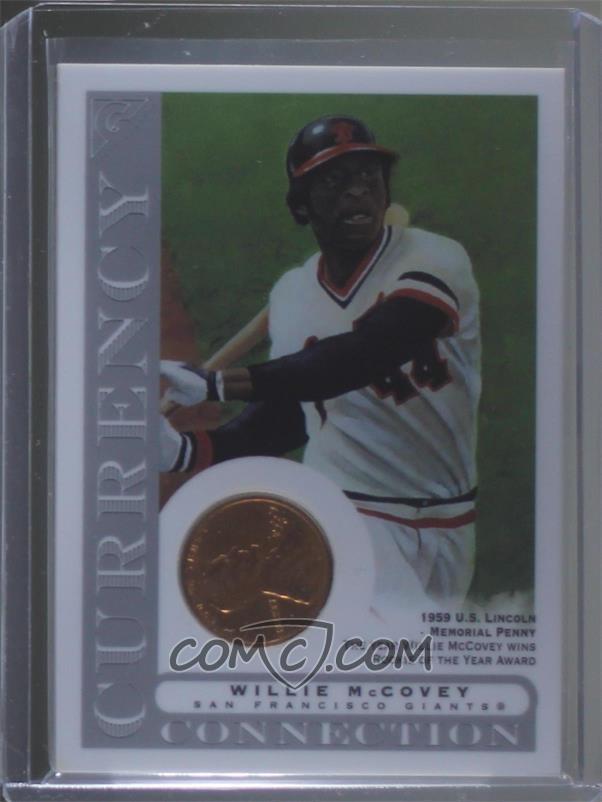
The 2003 Topps Gallery HOF set included another Currency Connection relic set, this time using vintage coins from 12 players' careers. For example, Babe Ruth has a 1916 dime, and Willie Mays has a 1958 penny. The design is similar to the 2003 Gallery set.
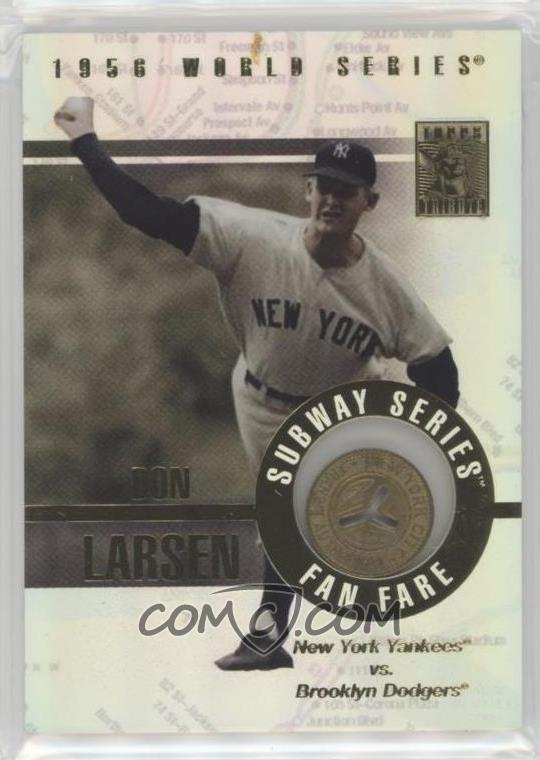
Before that, however, the 2000 Topps Subway Series set had a FanFare Tokens set of 36 cards, including a New York City Subway token. These were found one per complete set, and are probably the most common coin relic cards.
In 2003, Topps Tribute World Series had a Subway Fan Fare Tokens set as well, with twelve players featured with a subway token. All the players are from New York, and use New York City Subway tokens, just like the 2000 set.
That would be the end of money in cards until 2011, oddly.
2012 Topps Allen & Ginter had a non-sport insert set featuring international currency, and the 30-card relic set features cold hard cash from thirty different countries.
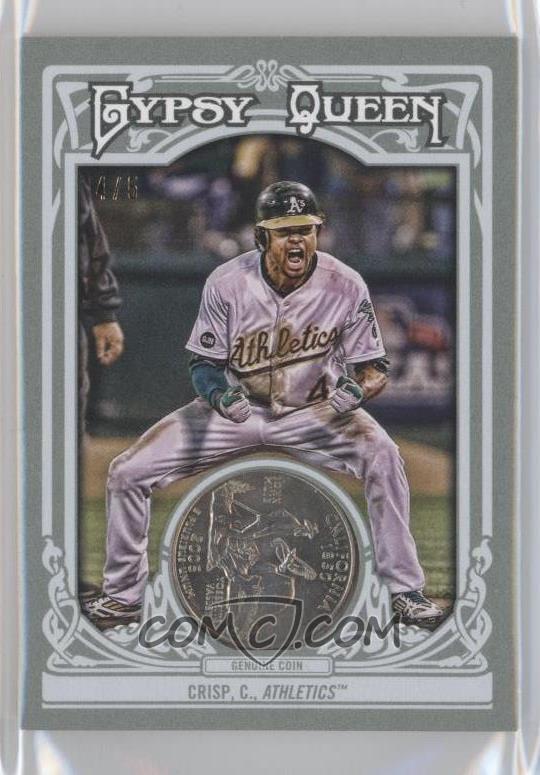
In 2013, Topps Gypsy Queen had a Hometown Currency relic parallel set for all 350 cards in the base set. This set was numbered to only 5 copies each, and featured state quarters or foreign currency, as applicable. Coco Crisp's card may be the best framing job I've ever seen.
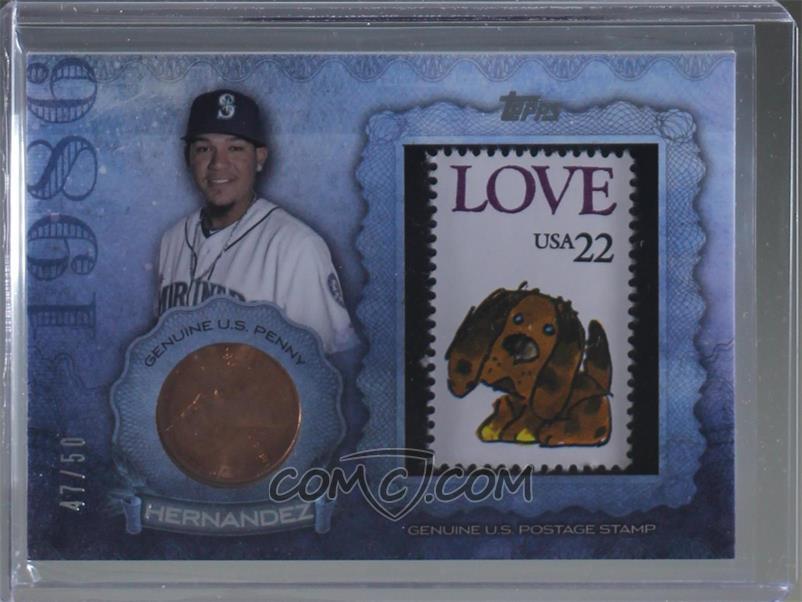
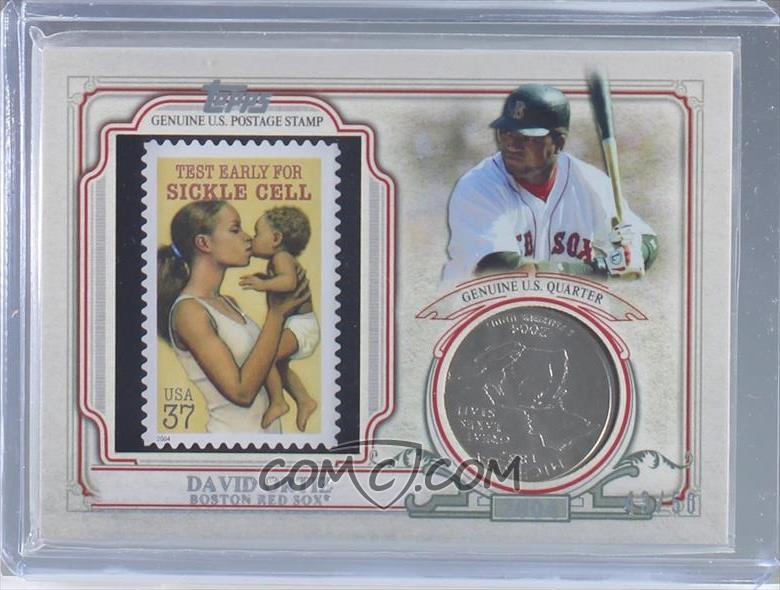
In 2015, Topps' flagship set included coins from players' birth years, along with a stamp. These were also found in the Update set.
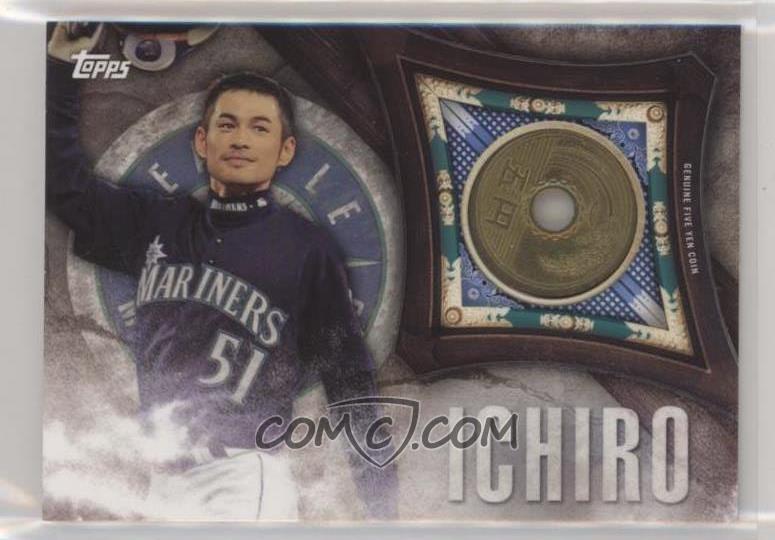
Some 2016 Topps retail factory sets included 5-yen Japanese coins in cards featuring Ichiro.
The 2016 Topps Series 2 set included a World Champion coin and stamp relic set.
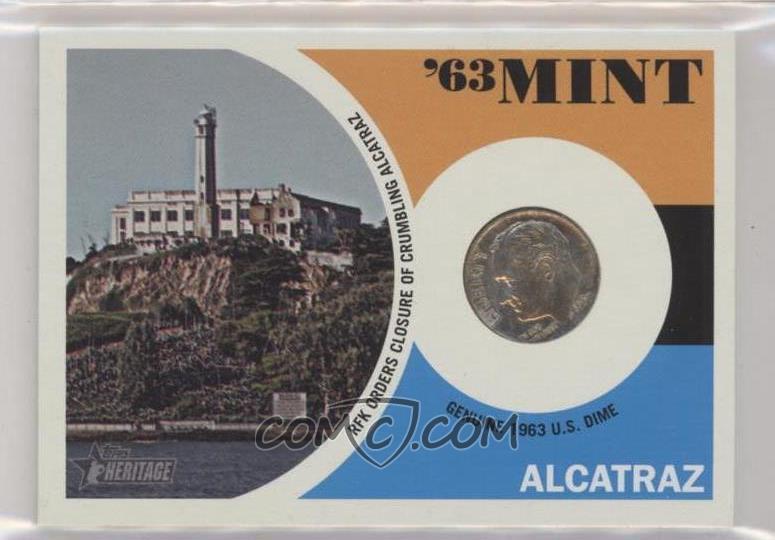
Topps has also included coins in their Heritage line since 2011, when they included coins from 1962 paired with historic events and players. By 2013, they dropped the events and stuck with just the players.
Finally rounding out this post, Topps Heritage Minor League also started including coin relics in 2016.
Naturally, I am ignoring manufactured coin/medallion relics. What do you think of coin relics?
When I first came across the Topps Gallery coin relics, I added them to my want list, and for a decade they sat there without me making much progress on the set. So I finally took them off. However, they are cards that I'll gladly welcome in my type collection.
All images in the post came from COMC because I don't have access to my own cards. And I don't own a lot of cards from the sets I wanted to feature in this post.
Until next time!
One relic set I came across while thumbing through my new 2004 Beckett Almanac (um, back in 2004) was the Currency Collection coin relics set from 2003 Topps Gallery. Each of the 25 cards has a coin from the player's home country, including Panama, Curacao, Venezuela, and Japan.
That was the first set I actually noticed having coin relics, and I quickly found a few more in the guide.
The 2003 Topps Gallery HOF set included another Currency Connection relic set, this time using vintage coins from 12 players' careers. For example, Babe Ruth has a 1916 dime, and Willie Mays has a 1958 penny. The design is similar to the 2003 Gallery set.
Before that, however, the 2000 Topps Subway Series set had a FanFare Tokens set of 36 cards, including a New York City Subway token. These were found one per complete set, and are probably the most common coin relic cards.
In 2003, Topps Tribute World Series had a Subway Fan Fare Tokens set as well, with twelve players featured with a subway token. All the players are from New York, and use New York City Subway tokens, just like the 2000 set.
That would be the end of money in cards until 2011, oddly.
2012 Topps Allen & Ginter had a non-sport insert set featuring international currency, and the 30-card relic set features cold hard cash from thirty different countries.
In 2013, Topps Gypsy Queen had a Hometown Currency relic parallel set for all 350 cards in the base set. This set was numbered to only 5 copies each, and featured state quarters or foreign currency, as applicable. Coco Crisp's card may be the best framing job I've ever seen.
In 2015, Topps' flagship set included coins from players' birth years, along with a stamp. These were also found in the Update set.
Some 2016 Topps retail factory sets included 5-yen Japanese coins in cards featuring Ichiro.
The 2016 Topps Series 2 set included a World Champion coin and stamp relic set.
Topps has also included coins in their Heritage line since 2011, when they included coins from 1962 paired with historic events and players. By 2013, they dropped the events and stuck with just the players.
Finally rounding out this post, Topps Heritage Minor League also started including coin relics in 2016.
Naturally, I am ignoring manufactured coin/medallion relics. What do you think of coin relics?
When I first came across the Topps Gallery coin relics, I added them to my want list, and for a decade they sat there without me making much progress on the set. So I finally took them off. However, they are cards that I'll gladly welcome in my type collection.
All images in the post came from COMC because I don't have access to my own cards. And I don't own a lot of cards from the sets I wanted to feature in this post.
Until next time!
Thursday, March 1, 2018
This Set is Cool: 2015 BBM Cheer Dragons SP Inserts
Japanese baseball has cheerleaders. Think of that what you will - really, other than eye candy, they don't have much of a purpose. There are actual cheer leaders who orchestrate the chanting you hear at a Japanese baseball game. But the annual cheerleading card sets (Dancing Heroine Mai, Dancing Heroine Hana, and a team box set) sell very well.
The 2015 box set featured the Cheer Dragons, the cheerleading team for the Chunichi Dragons, who play in Nagoya. The release had autographs and cheki (polaroid) autographs, along with "Life Photographs" of the cheerleaders. Of course, there are regular base cards, and a set of eight inserts were also made.
Those inserts came one per box, and feature foil facsimile signatures of two cheerleaders over photos of them in a standing pose. The backs feature two more photos, this time with seated poses.
I probably would have never even thought of building this set if I hadn't come across several of the cards for only 100 yen each at a card show. With only eight cards in the set, it didn't take too much effort to finish it. And since I collect cheerleader cards, it fits right into my collection, but it also serves as my first completed box set-insert set.
All eight cards, front and back, are shown below. The cards look better in person, since the foil doesn't scan well.
Wednesday, February 28, 2018
These Subsets are Cool: 2016 and 2017 BBM 1st Version Team Checklists
Yesterday's post was a 2008 team checklist set featuring a bunch of interesting and fun photos. Today, we focus on two more team checklist sets sharing a similar theme.
The 2016 1st Version set used images from NPB's Spring Training - no easy feat given the set's release only a few weeks after the start of Spring Training. BBM repeated the process in 2017, again using photos from Spring Training on a set that was released in early April.
That alone is an interesting piece of work, but not interesting enough for me to collect the set. But the 2016 subset has some unique photography, using angles and cropping BBM traditionally doesn't explore - almost something like Stadium Club. And most importantly, the Fighters card uses a photo from America! Moving on to 2017, again the Fighters photo is from the US, but unfortunately all of the shots are quite dull - most team cards have players running. (The 2016 set does have several "team running together" photos, but there are some standout images.)
With the 2018 set just a few weeks away, maybe BBM will find some better images for the team checklists. Or go with stadium photos - it's been a long time! Either way, I can't wait to see what they come up with.
The 2016 set uses yellowish borders, while the 2017 set has green borders. The full subsets are below.
Subscribe to:
Posts (Atom)